Introduction and understanding of the mineral feldspar
Feldspars are among the most important and abundant igneous minerals in the Earth's crust. Due to their unique structural characteristics, these minerals play a vital role in the tile, ceramic and glass industries and are known as one of the key fluxes in body and glaze. High-quality feldspar often has a pearly white color to a dazzling glassy luster. The lower the amount of colored oxides and impurities such as iron (Fe₂O₃), titanium, mica, and free quartz in this mineral, the greater its acceptance and commercial value in the market, because the presence of impurities causes the body color to darken during the firing stage and the transparent glazes of the tile to become opaque.
Types of feldspar in nature
Feldspars are divided into three main groups based on the dominant metal cation in their crystal lattice:
- 1. Sodium feldspar (NaAlSi₃O₈): It acts as an excellent flux at low temperatures and is widely used in the body of tiles.
- 2. Potassic feldspar (KAlSi₃O₈): It has better thermal stability and is used in the body of engineering ceramics and high-quality glazes.
- 3. Calcium feldspar (CaAl₂Si₂O₈): It has less direct application in traditional ceramic industries, but forms a rich structure in nature.
What is the difference between sodic and potassic feldspar?
Although many of the uses of these two minerals are similar, potassic feldspar is more expensive due to its rarity in nature and is used specifically in the formulation of very fine porcelain, dental porcelain compositions, special glazes and electrode industries. On the other hand, the market demand for sodic feldspar is much higher due to its high share in the production of building tiles and granite. Professional manufacturers select exactly one of these two minerals based on the thermal behavior of the kiln and their own specific formulation.
Introducing the Doran Sodic Feldspar Mine (Zanjan)
If you are looking to supply high-quality, stable, and fluctuating sodium feldspar for your production line, Doran Sodium Feldspar Mine is a well-known and reputable name in Iran.
Geographical location and excellent accessibility: This mine is located at kilometer 14 of the Zanjan-Bijar transit road, adjacent to the villages of Doran and Reyhan. Quick access to this main road minimizes transportation and logistics costs for buyers. The right to exploit and extract this rich reserve has been in the possession of the Zanjan Exploration Complex Mining Cooperative Company since 1991, which is a testament to the authenticity and continuity of this complex’s work.

Unique properties of the Basilian-era feldspar
- Huge and stable reserves: More than 30 years of continuous and successful extraction indicate the high potential of this mine for long-term supply of the country's major industries.
- Ultra-white color after baking: The extracted mineral is sugary and white in color, which has a unique shine in the sunlight and greatly enhances the visual quality of the final product.
- Exceptional chemical purity and zero iron: The amount of iron oxide in this feldspar is in the range of hundredths of a percent. This high purity prevents tarnishing and the formation of black spots on the body and glaze of the tile.
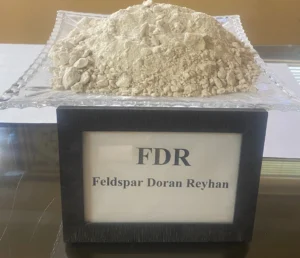
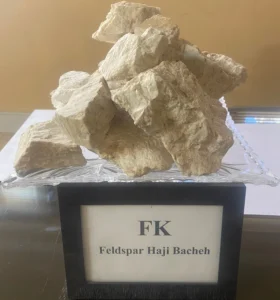
- No need for crushers (significant cost reduction): The soil in this mine is naturally fine-grained and sugary. This means that you will not need a secondary crushing operation and you can feed the load directly into the wet ball mill, which reduces the risk of feldspar contamination with iron from the crusher to zero.
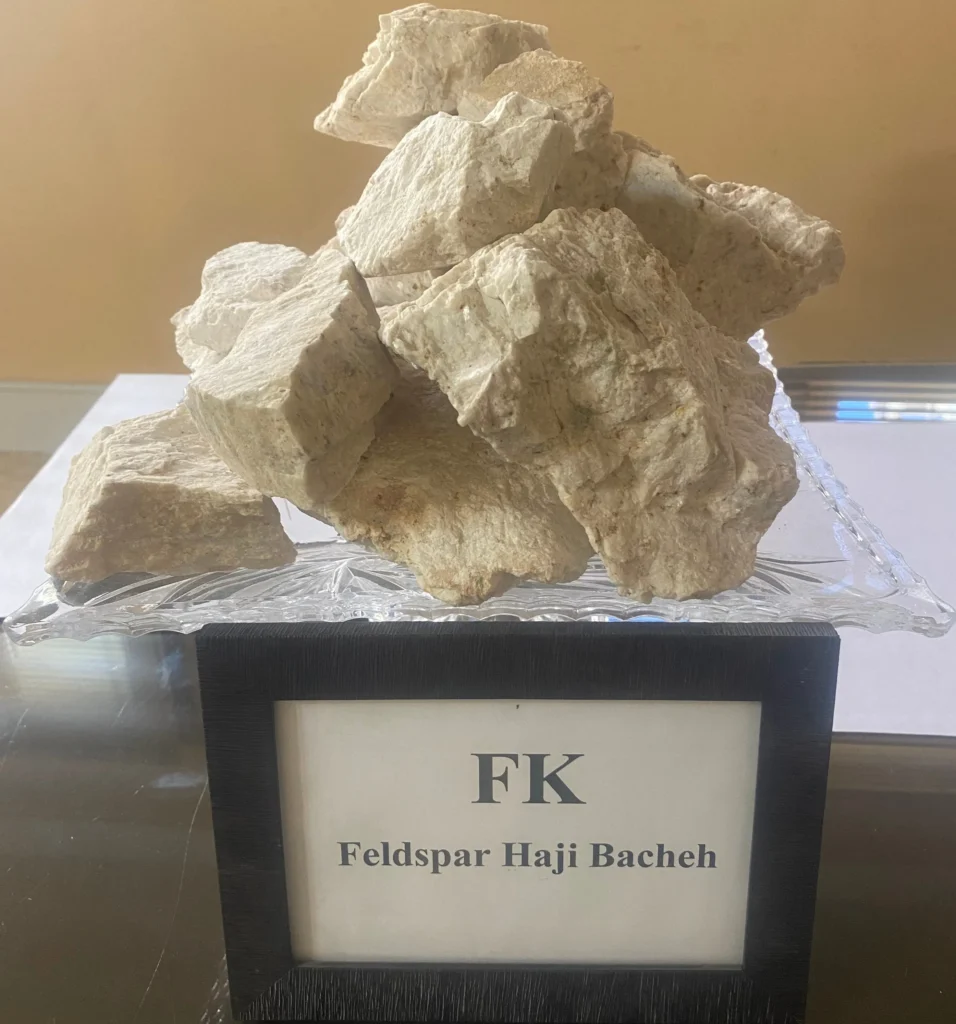
Visual inspection of extracted feldspar lumps
Our applications and loyal customers
The scientific and valuable name "Granites of Doran", which is recorded in many authoritative Iranian geological and mining references and books, is derived from the quality of this mine. The sodic feldspar extracted from this area is considered a magical and ideal formula for producing porcelain bodies, granite tiles, and wear-resistant ceramics.
Today, we are proud that the largest and most reputable tile, ceramic, and glaze factories throughout Iran continuously supply their required feldspar from us. Some of these constant companions include:
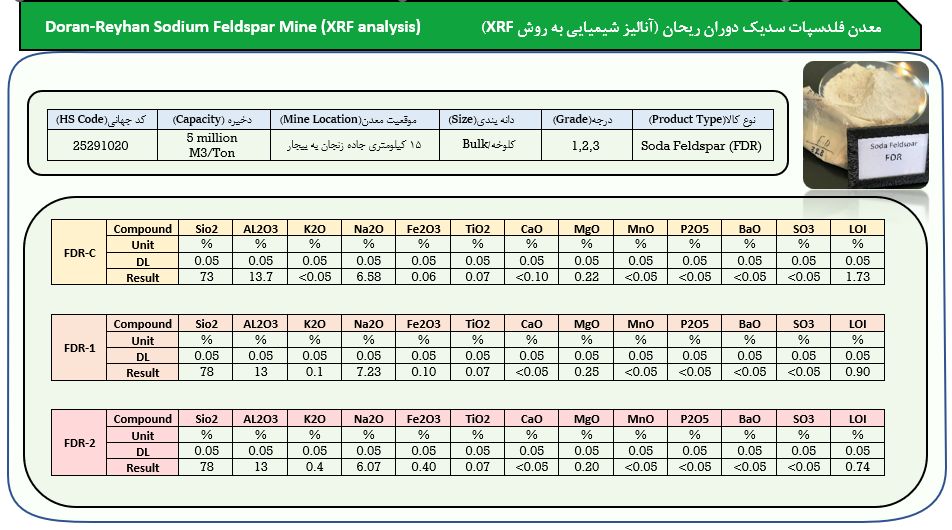
Chemical analysis of feldspar from the Doran-e-Reihan mine
The quality assurance of the Doran Rayhan feldspar mine is its specialized analysis sheet that shows the stability of the desired elements in it. In the image below, you can see the details of the analysis of this soil:
Chemical analysis of feldspar from the Kaltke mine
The quality assurance of the feldspar of the Kaltke mine is its specialized analysis sheet that shows the stability of the desired elements in it. In the image below, you can see the details of the analysis of this soil: