Introduction and understanding of kaolin (china clay)
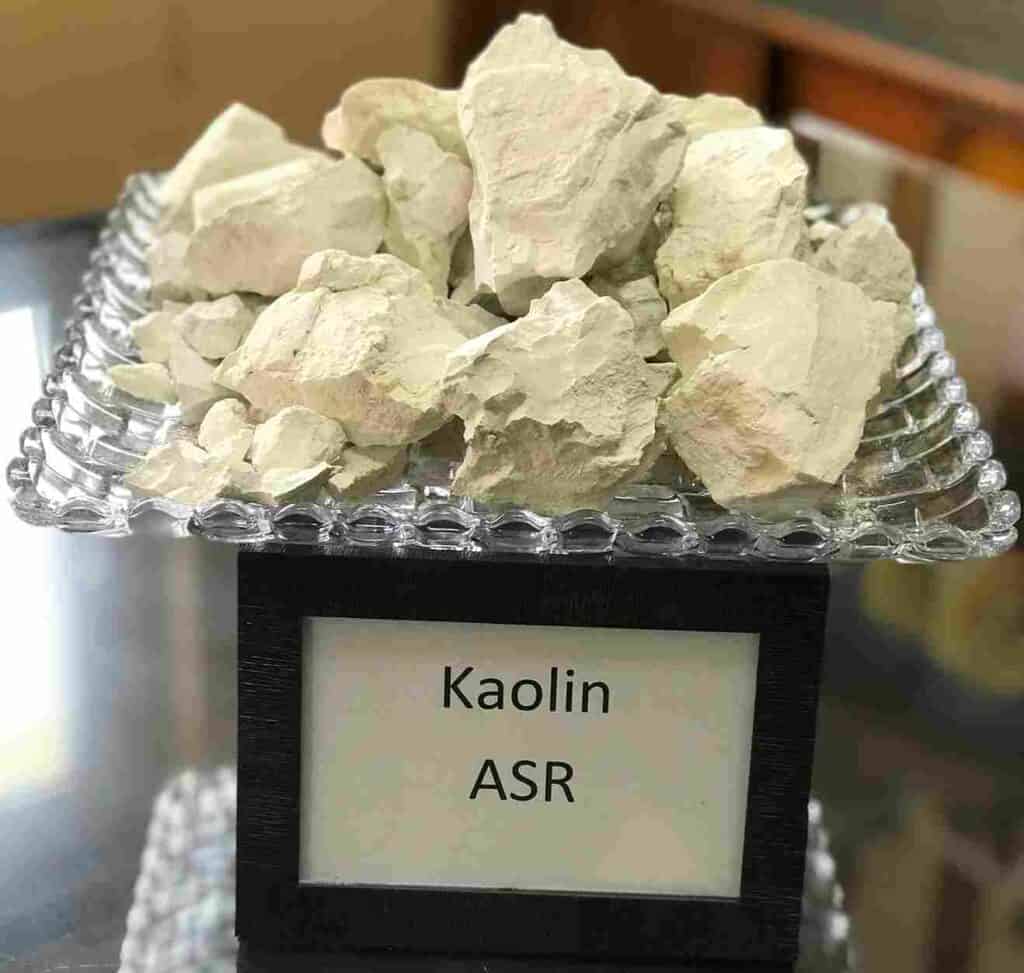
Kaolin, or china clay, is a highly valuable mineral from the hydrous aluminum silicate family. The name of this mineral has its roots in ancient Chinese history and a mountain called "Kao-Ling" from which the white, refractory clay was first extracted. High-quality kaolin clay is completely white in its purest form; however, in nature, due to the presence of impurities such as iron oxide or titanium, it may also be seen in reddish, yellow, and brown colors. The luster of this mineral varies from pearly and nacreous to completely earthy, depending on its purity and crystal structure. Given the abundance of scientific sources, our goal in this article is to focus on commercial applications and introduce one of the highest quality sources of kaolin in Iran.
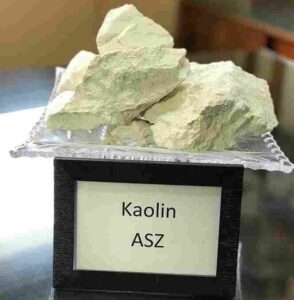
The most important uses of kaolin in various industries
Kaolin has extremely wide uses in various industrial sectors, depending on factors such as whiteness, purity percentage, particle size, and plasticity. The most important of these are:
- Ceramic tile industry: Kaolin is used as the main body and key raw material in shaping, body firing, and glazing.
- Papermaking industry: Use of micronized white kaolin powder as a coating and filler to improve the gloss, surface smoothness, and better printability of paper.
- Paint and Refractory Industries: Acting as a low-cost filler and also a high-heat resistant material in the production of bricks and kiln linings.
- Cosmetic, health and pharmaceutical industries: Widely used in the production of masks, skin protection creams and pharmaceutical products due to its fat-absorbing properties and chemical neutrality.
Introducing the Kaolin Mine of Aseman Balaghi Takab
If you are looking to purchase first-class kaolin with excellent physical and rheological properties for your production line, the Aseman-Bolaghi Kaolin Mine is one of the most well-known and reliable sources of supply of this mineral in the country.
Geographical location: This mine is located in West Azerbaijan Province and in the Takab County Conservation Area. Although the main access road to the mine is from Takab City, to facilitate logistics, a more convenient and smoother route for loading and shipping high-tonnage loads is managed from Zanjan and via Bijar Road.
Development process: The Aseman-Bolaghi mine was discovered in 1380 AH by Mr. Mehdi Pirovian (a long-time colleague of the company). After conducting numerous tests, speculations, and going through legal procedures, its exploitation license was issued in 1384, and now, with complete equipment, its sustainable extraction and sale process is underway.

Why do tile and ceramic manufacturers choose Aseman Balaghi?
The majority of buyers of this special mineral soil are large companies that produce tiles, ceramics, and sanitary ware. But what technical features have made this product so popular?
- Exceptional firing strength and durability: This kaolin provides a stable firing coefficient and high mechanical strength (raw and fired strength) to the tile body; an important feature that is absolutely vital for factories producing slab tiles (large dimensions) and first-class.
- Properties similar to Ball Clay: Ceramic experts believe that Asembalaghi kaolin exhibits behavior similar to Ball Clay due to its excellent ductility and high plastic properties, which greatly facilitates the molding process.
- Customer loyalty: The quality of this product has been proven so much that factories from all over Iran (even from a distance of more than 1000 kilometers) continue to order this soil for the main formulation of their products. Experience has shown that buyers become our regular customers after the first industrial test.
Chemical analysis of kaolin
The quality assurance of our kaolin is its specialized analysis sheet that shows the stability of the desired elements in it. In the image below you can see the details of the analysis of this soil: